Clean School Plus Healthy Pupils Equals Happy Parents
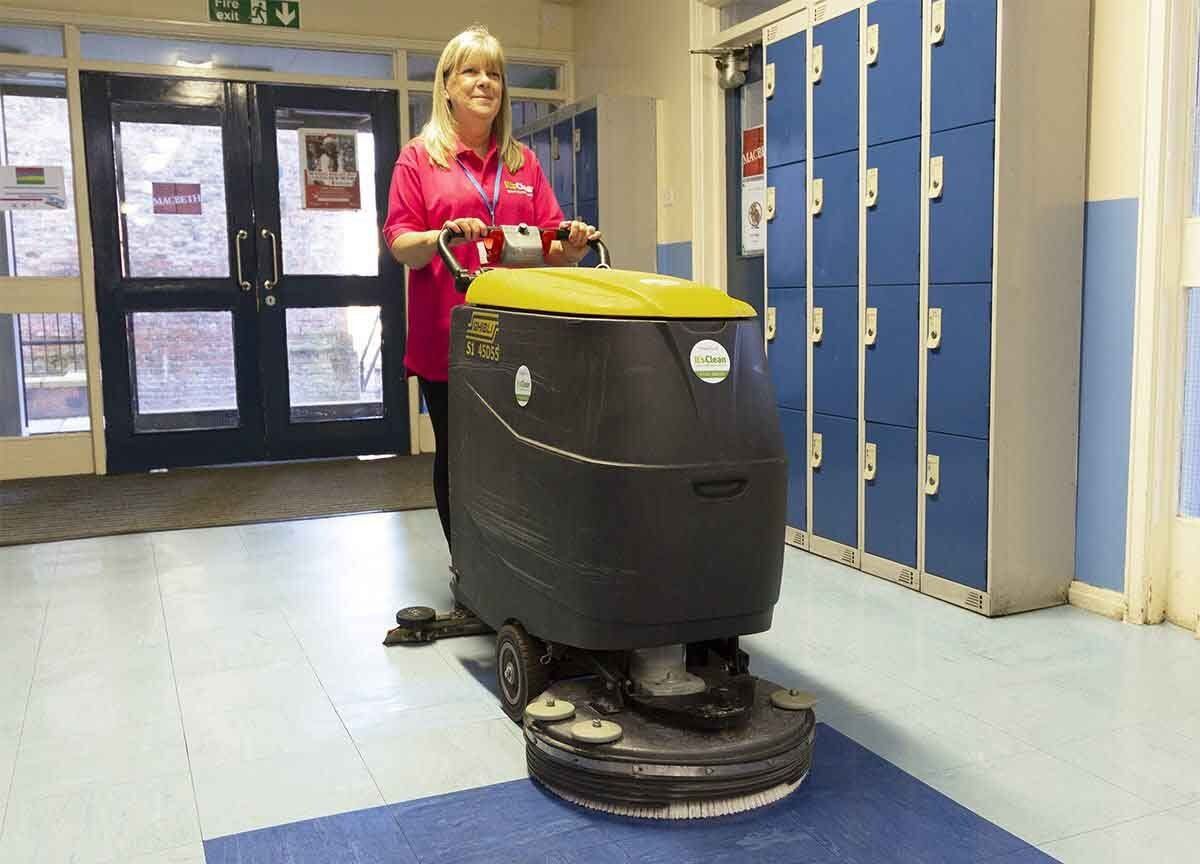
No parent wants to put their child in danger and dropping your children off into an environment that is dirty, is a clear example of this. In order to ensure the cleanliness of a school, the head, along with the Board of Governors, will often employ the services of a specialist commercial cleaning company such as It's Clean.
1.Cleaning for safety not for looks
The cleaners that make a difference are the cleaners cleaning for tomorrow or the next week. There is a big difference between a site looking like it is clean, compared to a site that actually is clean. Schools have large numbers of children in and out everyday, therefore the children’s health and safety is a high priority for the school and must be guaranteed. Schools must make sure their sites not only look clean but are clean too. Professional commercial cleaners can help to ensure this.
2.Understanding that a high-touch area is different to a high-risk area
High touch areas are those that have frequent contact with hands e.g. doorknobs, stair railings, wash basins etc.
High risk areas are rooms or areas that are prone to collecting germs, bacteria, and parasites. These are areas where there is a high risk of infection or contamination. Examples of these areas include cafeterias, toilets and locker rooms. These areas should be cleaned and sanitised every day and disinfected regularly.
3.Rules of disinfecting
Disinfectants can bring on allergies and asthma, so schools need to be careful with how much and how often they are used. Making sure the surfaces are cleaned and sanitised daily means most bacteria are removed so the school is safe. By disinfecting 1-3 times each week, you are getting rid of any bacteria left over from the sanitising cleans. Working up a schedule for your sanitising, cleaning and disinfecting regime is of vital importance.
4.Colour coded equipment
Did you know there is a universal colour code for cleaning?
- Blue - General risk areas
- Green - General food and bar use
- Red - Sanitary fittings and washroom floors
- Yellow - Washroom surfaces
During the late 1990's, The British Institute of Cleaning Science developed this universal colour coding for cleaning. It is important to implement this system into any facility as it reduces the spread of germs between areas, ensuring hygiene standards are maintained.
What are the benefits of colour coding?
- Reducing cross contamination - equipment for cleaning different areas should be kept away from each other to avoid cross contamination. Avoiding the spread of bacteria between two areas is vital, especially in a school.
- It is law - following the correct cleaning procedures is part of the Health and Safety at Work Act 1974.
- Good first impressions - a clean and professional looking school will make a great first impression.
- Happy environment - a clean and pleasant space to learn helps students focus.
5.Teachers need educating too
Schools should not just leave the cleaning to the commercial cleaning companies, instead teachers and staff should be educated in what it takes to keep the building germ-free and safe. Schools should all be using hospital grade disinfectants. These are highly effective in killing pathogens, bacteria, viruses and fungi.
If you want to ensure your school is a safe environment for your pupils and staff members to work in, then give us a call on 01423 566785 or request your free no obligation survey and quotation here on our website.