The Unique Challenges Facing the Hygiene Industry During COVID-19
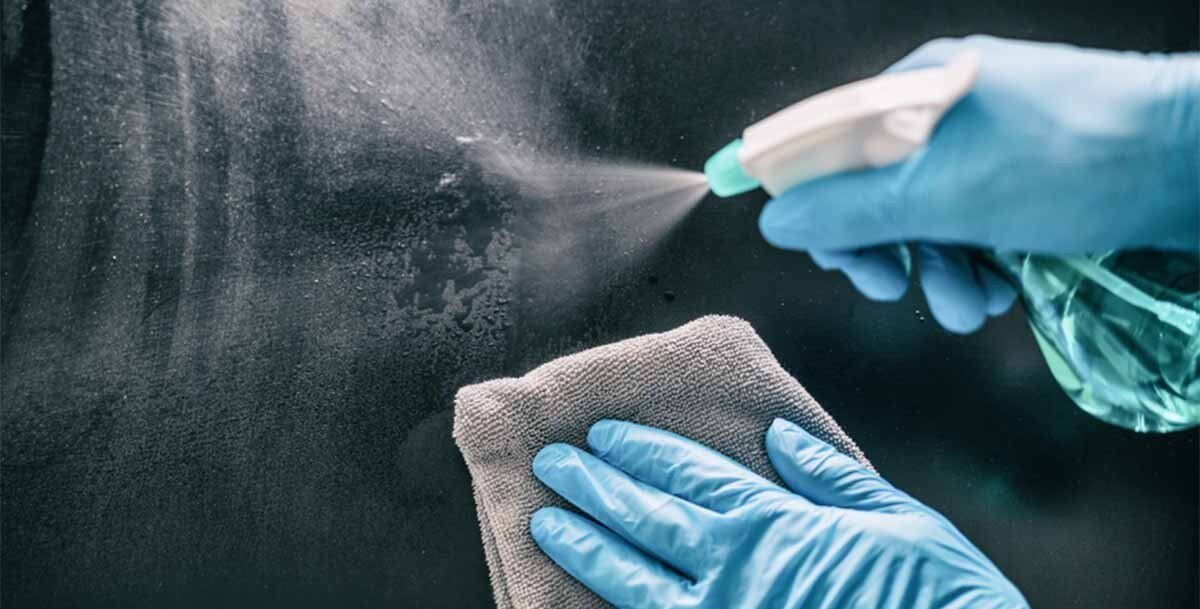
Before the COVID-19 pandemic, building and workplace cleaning was regarded as a necessity, but was very much a background task and something that was largely taken for granted. Nearly 12 months on and the cleaning industry faces unprecedented demand and the pressure of being the key factor in whether a business can safely open or not.
Coronavirus has disrupted the cleaning industry and also placed it under incredible scrutiny, with businesses having an opinion on hygiene and workplace cleanliness from the top to the bottom of the organisation.
Using data gleaned from 120,000 customers across all sectors, facilities services provider PHS have carried out detailed research on how buildings are now used and how the pandemic has affected businesses. The results highlight the pressure faced by the cleaning industry and the focus it is now under to perform, in most cases to the same high standards it was doing anyway.
Business premises closing due to COVID-19
During the first lockdown in 2020, 43% of premises in the UK shut down. But by September 95% were open again. This might seem like a lot, but it left one in twenty premises closed, which is significant. At the peak of the closures the accommodation and food industrie, where hygiene is perhaps most clinically important, saw some 73% of premises closed. This was the worst-affected sector, with 8% of buildings still closed in September. The arts, entertainment and recreation sector saw 62% of premises shut, with 11% still closed in September, more than double the national average. Other sectors were less affected, with the financial, insurance, administration and support services sector seeing 38% of buildings closed and education seeing 43% of sites closed. Of course by September this was up to 99% re-opened.
The cleaning industry has therefore faced an alarming demand in deep-cleaning and sanitising services, getting premises ready for reopening and enforcing strict hygiene protocols. But the PHS findings also revealed that buildings were not fully occupied upon reopening. Over a four-month period, washroom waste was monitored and was found to be 49% lower, an accurate measure to suggest that building occupancy had halved, with people home-working or having been made redundant. Even with buildings fully reopened occupancy was found to be down 17% on pre-COVID levels.
Amid the current lockdown, and with some restrictions expected to remain in place even when others are lifted during 2021, building usage will be much lower and widespread building closures are still expected, particularly with uncertainty in some sectors as to whether businesses can survive the pandemic at all.
Achieving high hygiene standards to beat COVID-19
So the cleaning industry still faces an enormous challenge of being ready and able to react when buildings are set to reopen, and expectations are of achieving and maintaining impeccable hygiene levels. This also involves training staff on new hygiene measures, with this applying across all sectors i.e. schools, retail, hospitality, offices etc., and hygiene being the critical factor behind a business reopening. So being COVID-safe is a unique challenge.
Not surprisingly, research shows that 26% of people were not confident about the hygiene levels when returning to work, 17% were not very confident and 7% were not at all confident. Robust hygiene measures have become the hot topic for 2021, and the need for a professional cleaning company has become clear.
It’s Clean are able to address your organisational hygiene needs, and we have dedicated local resources, able to build strong client relationships. This enables us to be locally-focused and capable of reacting to the highest hygiene standards in your business. So contact It’s Clean today, we can meet the unique challenges the cleaning industry is facing and together we can beat COVID-19.